
Unleashing Creativity: The 10 Best Tips to Inspire Your Writing

Greetings, lovely readers!

Welcome back to our special nook of the internet, a haven for unlocking creative potential. If you’re grappling with the elusive nature of creativity, particularly in writing, you’re not alone. We’re here to spark your writing creativity with unique methods that will guide your journey. Embrace your unique perspective, explore new experiences, and prepare to light up your literary world with our post on Unleashing Creativity: The 10 Best Tips to Inspire Your Writing.

Embrace Your Unique Perspective

First and foremost, remember that you are the only you in this world. Your thoughts, your experiences, your perspective — all are uniquely yours. Embrace this! You have a voice that deserves to be heard. If you’re stuck, write about what you know and how you see the world. Authenticity shines in any creative work, and writing is no different.

Create a Creativity Sanctuary

Ensure you have a special, comfortable place designated for your writing — your creative sanctuary. This could be a quiet room, a corner of your house, or even a favorite coffee shop. Surround yourself with things that inspire you, be it photographs, art, your favorite books, or even quirky objects that make you smile. Create a space that stimulates your senses and invites creativity.

 Dive into the Deep Ocean of Reading

Immerse yourself in diverse types of writing. Read novels, poems, essays, blogs, and even comic books. Reading not only enhances your understanding of language and style, but it can also inspire ideas and get your creative juices flowing.

Unleash the Power of Free Writing

Free writing is a technique where you write non-stop for a set period (start with 15 minutes) without worrying about grammar, punctuation, or even making sense. It’s all about letting your mind roam free. You’d be surprised at the unique ideas that can emerge when you’re not self-editing in real-time.

Take Creative Breaks

Go for a walk, practice yoga, doodle, or bake a cake. Doing something that requires a different kind of creative energy can help clear your mind and rejuvenate your writing spirit. It’s all about keeping the creativity flowing, but in various forms.

Harness the Muse in Music

Music has the power to influence our moods, inspire us, and prompt our creativity. Try creating playlists with different moods or themes to help guide your writing. Need to write a thrilling action scene? Maybe some fast-paced rock will help. Crafting a heartfelt love letter? Soft and soothing tunes could set the right tone.

Be Open to New Experiences

Try new things, visit new places, meet new people. New experiences expand your understanding of the world, provide new perspectives, and stimulate creativity. Even the simplest changes, like taking a different route home, trying a new cuisine, or attending a local event, can provide a wealth of new material for your writing.

Engage in Creative Activities

Participate in other creative activities, like painting, dancing, or playing an instrument. This can help you unlock creativity from different angles, and you may find that the skills and inspiration you gain from these activities seep beautifully into your writing.

Connect with a Community

Join a local or online writing group. Being part of a community can offer support, feedback, and encouragement. Plus, sharing ideas and experiences can be a great way to stimulate creativity.

Be Patient with Yourself

Finally, and most importantly, remember that creativity can’t be forced. It ebbs and flows, and that’s okay. Be patient with yourself, don’t be afraid to make mistakes or write ‘badly’. Every word you write, every idea you explore is a step forward in your creative journey.

Remember, dear readers, creativity is not a vessel to be filled, but a fire to be kindled. These tips are merely matches. Only you can fan the flames. Write with passion, write with courage, and let your unique voice shine through. Happy writing!

Until next time, keep dreaming, keep creating, and keep being you.

Did you find value in this piece? If so, you’ll absolutely love diving into our closely related post, ‘Sparking Creativity: Simple Steps to Kickstart Story Writing’. It’s packed with more exciting insights and easy-to-follow steps that will turbocharge your narrative craft. Don’t miss out on these additional resources to brighten your writing journey!

For fun and inspiring greeting cards and more visit us at Endearing Expressions

Please note that if you purchase from clicking on the link, some will result in us getting a tiny bit of that sale to help keep this site going.

Sparking Creativity: Simple Steps to Kickstart Story Writing

Writing a story, article, or book is an exciting endeavor and organizing your ideas effectively can greatly enhance the process. Here are some steps and tools to help you capture and structure your ideas:

Brainstorming: This is a crucial initial step where you allow all your ideas to flow freely. At this stage, focus on generating ideas and don’t judge or discard anything. Think about all aspects of your story – the plot, characters, setting, theme, and so on. You can use tools like:

  • Mind maps: A mind map is a visual tool that helps you structure information, allowing you to better analyze, comprehend, and generate new ideas. Start with a central concept and branch out with related ideas, creating a ‘map’ of your story’s elements.
  • Diagrams: These can help you visualize relationships between different parts of your story. For example, you might create a flowchart to outline the plot, or a Venn diagram to explore the relationships between characters.
  • Bullet-point lists: This is a simple but effective tool for capturing ideas. You can create lists for different elements of your story, such as character traits, plot points, or descriptions of settings.

Journaling: Keeping a journal or notebook for your story ideas can be incredibly useful. Whenever an idea pops up, jot it down. This could be a character name, a scene description, a plot twist, or even just an interesting phrase or sentence. By consistently writing down your ideas, you’ll build up a valuable reservoir of material to draw from when you start writing your story. If you prefer digital tools, you can use apps like Evernote or Google Keep to capture and organize your ideas.

Voice Notes: For those times when an idea strikes and you’re unable to write it down, voice notes can be a lifesaver. Most smartphones have a built-in voice recorder or dictation app. This allows you to capture thoughts, snippets of dialogue, or descriptions immediately, which can be particularly helpful if you’re out and about, driving, or don’t have a pen and paper handy.

Research: Depending on the type of story you’re writing, research can play a critical role. Whether you need detailed information about a historical period, a specific profession, or a scientific concept, thorough research will help you write with authenticity and authority. Keep track of your sources for later reference, make notes of interesting facts or ideas, and don’t forget to bookmark relevant articles or webpages. Use tools like Google Docs, Microsoft OneNote, or Zotero to keep your research organized.

Once you have your raw material, the next phase is organization:

Outline: Based on your brainstorming and notes, create an outline of your story or book. Start with major sections or chapters, then break those down into scenes or smaller sections.

Storyboarding: This is a method used by filmmakers but can also be effective for writers. Draw or describe visually each scene on a separate card (physical or digital). You can then arrange these cards to help visualize the structure and flow of your story.

Writing Software: There are several writing tools available like Scrivener, Google Docs, or Microsoft Word, which allow you to create and organize your manuscript in one place. They can be especially useful for long-form works as you can easily move sections around.

Timeline: If your story involves complex sequences of events, a timeline can be very helpful. This could be a simple list of events in order, or a more detailed visual timeline.

Character Profiles: If your work is character-driven, consider creating detailed profiles for each of your main characters. This can include information like their background, appearance, personality traits, and their relationships with other characters.

Setting Descriptions: Similarly, you might want to create descriptions or even sketches of important locations in your story.

Remember, everyone’s process is different. What works best for you will depend on your own creative style and the specific needs of your story. You might find it helpful to experiment with different methods and tools until you find what works best for you. Writing a book or long article is a marathon, not a sprint – take your time, stay organized, and most importantly, enjoy the process.

Please note that if you purchase from clicking on the link, some will result in us getting a tiny bit of that sale to help keep this site going.

10 Best 4th of July Message Tips that Show Patriotic Spirit

Are you eager to celebrate the 4th of July with a powerful message that embodies your American spirit? Creating a heartfelt message that truly captures the essence of this patriotic holiday can be a meaningful way to showcase your American pride and honor our nation’s history and diversity. This blog post, “10 Best 4th of July Message Tips that Show Your Patriotic Spirit”, will provide you with all the guidance you need. Using phrases that encapsulate American pride, referencing historical events, and acknowledging the sacrifices of our heroes, your message will truly stand out this Independence Day.

Patriotic Tone: Use language that reflects American pride and patriotism. Phrases like “land of the free”, “home of the brave”, “American spirit” and “star-spangled banner” evoke feelings of national pride.

Remember the History: The 4th of July is about commemorating America’s Independence. Including some historical context can add depth to your message. You might reference the signing of the Declaration of Independence, the Founding Fathers, or the struggles and triumphs of the American Revolution.

Respect for the Sacrifice: Remember to pay homage to the sacrifices made by the men and women in service to their country. A simple acknowledgement of their bravery can go a long way in showing your respect and appreciation.

Celebrate the Diversity: The United States is a melting pot of diverse cultures, races, and religions. Celebrating this diversity and unity can add a powerful dimension to your message.

Inclusion of American Symbols: Include American symbols like the flag, the bald eagle, the Liberty Bell, or Uncle Sam. These symbols are instantly recognizable and add a visually patriotic element to your message.

Use Quotations: You can include famous quotes about freedom and liberty from notable figures in American history. Quotes from figures like George Washington, Thomas Jefferson, or Martin Luther King Jr. can add a poignant touch.

Be Positive and Hopeful: Despite the challenges America may face, 4th of July messages should inspire hope and optimism. Express your belief in the nation’s ability to overcome obstacles and thrive.

Use Humor, If Appropriate: A little light-heartedness can make your message more engaging. You could use a clever pun or joke related to fireworks, barbecues, or other typical 4th of July traditions.

Personal Touch: If the message is for a specific person, personalize it. Include a shared memory of past 4th of July celebrations or a wish for their specific plans on the day.

End on a High Note: Conclude your message by wishing them a fun and safe 4th of July. You can wish them a day filled with joy, laughter, fireworks, and great food.

Remember, the best messages are those that come from the heart, are sincere, and resonate with the recipient.

Cheers to Graduates: Crafting a Perfect Congratulatory Card

When writing a congratulatory card for someone’s child’s graduation, it’s important to infuse your message with thoughtfulness, warmth, and positivity. This is a significant milestone in their lives, a culmination of years of effort, dedication, and personal growth. Your words should reflect the magnitude of this achievement while also conveying your personal happiness for their success.

Tone: The tone of your message should be upbeat, celebratory, and positive. Graduation is a joyous occasion, a time to celebrate achievements and look forward to new possibilities. It’s important that your message encapsulates this feeling of excitement and anticipation for the future.

Personalization: Personalizing your message helps to make it more meaningful. Address the recipient and their child by name, and if you’re familiar with the details of their journey, mention the school or program from which the child has graduated. This demonstrates your involvement and interest in their lives, and shows your acknowledgement of their specific accomplishment.

Acknowledgment of achievement: Graduation is a significant milestone that often involves years of hard work, perseverance, and commitment. Acknowledge this in your message. Commend the graduate for their efforts and the parents for their support throughout this journey.

Offer of support and good wishes for the future: Graduation also marks the beginning of a new chapter in life. Offering your continued support and expressing your good wishes for the future can be a comforting and encouraging addition to your message.

Share a Memory or Personal Connection: If you have a special memory or a strong connection with the child, sharing this can add a touch of sentimentality to your message. This could be a shared experience, an admirable quality you’ve noticed in the child, or a moment that stood out to you during their academic journey.

Sincerity: Keep your message sincere and genuine. While it’s easy to rely on clichés, expressing your feelings in a heartfelt and honest manner can make your message much more impactful.

Presentation: Lastly, consider the presentation of your card. A handwritten message can add a personal and thoughtful touch. Ensure that your message is well-written, with no spelling or grammar mistakes, to show your care and attention to detail.

Here’s an example of what you might write:

“Dear [Recipient’s name],

I wanted to take a moment to congratulate you and your family on [Child’s name]’s graduation from [School or Program]. This is a tremendous achievement and a testament to the hard work, dedication, and passion [Child’s name] has put into [his/her/their] studies.

I remember when [Child’s name] was just starting school, and now [he/she/they] is a graduate! [Insert a memorable moment or characteristic about the child]. It’s been a joy to see [him/her/them] grow and excel.

I am confident that this is just the beginning of a successful journey for [Child’s name]. May [his/her/their] future be filled with even more accomplishments and happiness.

Congratulations once again to you and your family on this wonderful occasion.

Best Wishes, [Your Name]”

Please note that if you purchase from clicking on the link, some will result in us getting a tiny bit of that sale to help keep this site going.

Debunking Myths: A Fun Ride through Story and Card Writing

In the wide world of writing, be it a captivating novel or a heartfelt greeting card, many preconceived notions and myths often steer novices and seasoned writers alike down a rigid path of creativity. Some of these myths insinuate that inspiration is a prerequisite for writing, that stories should always start at the beginning, or that greeting cards must be adorned with rhyming verses. However, it’s crucial to realize that writing is a versatile art form, free from unyielding rules and brimming with potential for individualistic expression. This article will debunk some of the most common myths about writing stories and greeting cards, providing an insight that can liberate your writing journey and assist you in crafting pieces that are truly your own.

Myths About Writing Stories:

You need to be inspired to write: Waiting for inspiration to strike can result in a lot of wasted time. Professional writers often stick to a writing routine, which helps them generate new ideas.

You should always start at the beginning: Many authors actually start from the middle or the end and then work their way backwards or around.

Your first draft must be perfect: This couldn’t be farther from the truth. Writing is a process, and it’s normal to revise and edit multiple times before reaching the final draft.

Characters should always be likable: Some of the most memorable characters in literature aren’t likable. What’s more important is that they’re well-developed and believable.

You should write what you know: While it’s a good idea to use your own experiences as a foundation, it’s also important to research and imagine situations outside your personal experience. This allows for greater creativity and diversity in your writing.

Show, don’t tell: This is a general rule of thumb, but there are times when it’s more effective to tell. Use this rule as a guide, but don’t take it as a strict mandate.

Myths About Writing Greeting Cards:

They must always rhyme: While rhymes can be catchy, they’re not a necessity. A sincere, heartfelt message can often make a bigger impact.

The longer, the better: Not true. Sometimes, the most meaningful messages are the ones that are short and to the point.

They should always be positive: This largely depends on the situation. If someone is going through a tough time, a card that acknowledges their feelings may be more appreciated.

You should use clichés to convey feelings: Personal, unique sentiments often mean more than generic phrases.

Only professional writers can create good greeting cards: Not true. Anyone can craft a heartfelt message. What matters most is sincerity and thoughtfulness.

Remember, rules and conventions in writing can often be broken or stretched for creativity’s sake. What’s most important is to engage your readers and communicate your message effectively.

Please note that if you purchase from clicking on the link, some will result in us getting a tiny bit of that sale to help keep this site going.
Writing Heartfelt Wedding Vows: The Language of Love

Love. It’s a word that holds a world of emotions within it. From the subtle flutter of the heart when your loved one walks into a room to the profound, earth-shattering feeling of sharing your life with someone else – love is complex, varied, and indescribably beautiful. When it’s time to express this emotion on your wedding day, you might find yourself at a loss for words. But don’t worry; let’s take this journey and learn how to write heartfelt wedding vows for your big day.

Listen To Your Heart

Your wedding vows are an opportunity to express your innermost feelings. They should reflect who you are, both as individuals and as a couple. Start by taking some quiet time to reflect. What does love mean to you? What are your hopes, dreams, and promises for your partner?

Feel free to jot down any words or phrases that resonate with you during this reflection. This list will serve as the foundation of your vows. And remember, there’s no right or wrong way to feel or express your love. Your feelings are your own, and they are perfect just as they are.

The Magic of Memories

In the tapestry of your relationship, certain moments stand out. These could be significant milestones, like when you first said, “I love you,” or seemingly mundane moments that hold a special place in your heart. Maybe it’s the way they always know when you need a comforting hug or the laughter you share over an inside joke.

Consider incorporating these memories into your vows. They serve as proof of your journey together and give everyone present a glimpse into your unique love story.

Promises From the Heart

The core of wedding vows are the promises you make to each other. These could range from pledging to stand by each other through life’s ups and downs, promising to make them laugh every day, or simply vowing to be the best friend they could ever have.

Make these promises realistic, and ensure they reflect your bond. They should be promises you know you can keep, ones that stem from understanding each other’s needs, dreams, and quirks.

Be Authentic, Be You

This is perhaps the most important aspect of writing your vows. Be true to yourself and to your partner. Authenticity resonates with people, and it’s that heartfelt sincerity that will make your vows memorable. If you’re a naturally funny person, let that humor shine through. If you’re more of a romantic, embrace that and let your words flow like a poem.

There’s no need to adhere to traditional vow formats or to use overly complex language. You’re not trying to impress anyone; you’re expressing your love and making a promise to your partner.

Practice Makes Perfect

Once you’ve written your vows, spend some time practicing them. This isn’t about memorizing words; it’s about becoming comfortable with expressing your feelings. By practicing, you’re less likely to get overwhelmed by emotions on the big day.

Remember to take deep breaths and maintain eye contact with your partner as you recite your vows. This moment is about the two of you, and your vows are the verbal expression of your commitment.

Writing your wedding vows is a beautiful process. It’s a chance to delve deep into your feelings and to express them in the most heartfelt way. Just remember to stay true to who you are, cherish your memories, make promises you intend to keep, and let your love shine through.

Your wedding day will come and go, but the promises you make and the love you express will endure forever. So, take a deep breath, pick up that pen, and let your heart do the talking.

Please note that if you purchase from clicking on the link, some will result in us getting a tiny bit of that sale to help keep this site going.
A Step-by-Step Guide to Writing the Perfect Father’s Day Card

Father’s Day is a special occasion that gives us the opportunity to show our love and appreciation for the paternal figures in our lives. A well-written card, carrying genuine sentiments, can be the perfect gift. However, the task of composing such a message might seem daunting to some. Here’s a simple, step-by-step guide to writing the perfect Father’s Day card that leaves an impression.

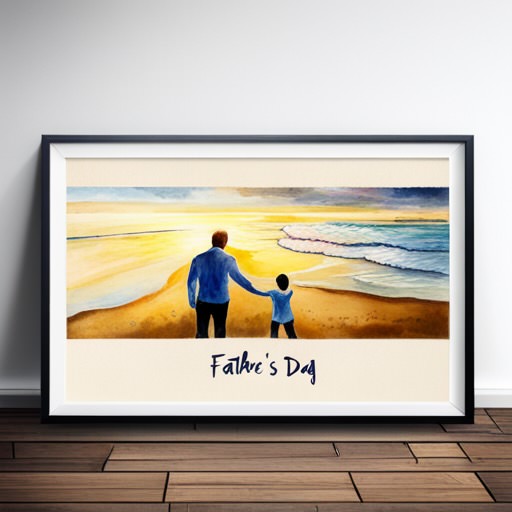
Father's Day Card
Father’s Day Card

Great selection of Father’s Day cards at our site Endearing Expressions

Choose the Right Card

Start by choosing the perfect card. This might seem like a minor detail, but the design and style of the card should reflect the personality and taste of your father. A card that mirrors your father’s interests, hobbies, or preferred aesthetics can make the gift all the more special. For example, if he’s an avid golfer, choose a card that portrays that hobby.

Begin With a Warm Salutation

Your message should start with a greeting that feels personal and warm. The way you address your father usually depends on your relationship. Whether it’s “Dear Dad,” “To My Father,” or his first name, make sure it feels right for both of you.

Express Your Love and Appreciation

This is the crux of your message. Take a moment to think about all the things you love about your dad. What makes him special? Why are you grateful to have him in your life? You might appreciate his guidance, his unwavering support, his unique sense of humor, or simply the comfort of his presence. Be sincere and specific in your words, and don’t shy away from expressing your emotions.

Share Memories and Moments

To add a touch of personalization, you can share a cherished memory or moment you’ve shared together. This can be a simple day-to-day moment, a shared joke, a vacation memory, or a time when he was there for you. This helps remind your father of the special bond you share and the times you’ve enjoyed together.

Wish Him a Happy Father’s Day

Now that you’ve shared your sentiments, it’s time to wrap up the message with your best wishes for Father’s Day. You could simply wish him a “Happy Father’s Day”, or you could add wishes for his health, happiness, and future adventures.

Sign Off With Affection

Finally, end your message with a warm closing. This could be anything from “Love always,” to “With love and respect,” or even a personal inside sign-off that only you and your dad understand.

Writing a Father’s Day card isn’t about being a professional writer or poet; it’s about conveying your feelings and appreciation in your own words. No one knows your relationship with your father better than you do. So trust your instincts and write from the heart. Remember, your sincerity will shine through, making your card the perfect Father’s Day gift.

Here’s an example of a complete Father’s Day card message:

Dear Dad,

I just want to let you know how much I appreciate you. Your unwavering support and guidance have always been a beacon in my life. You’ve always been there, teaching me life’s valuable lessons, while also knowing when to let me learn on my own.

Do you remember the time we went fishing and got caught in the rain? We laughed and shared stories while we waited for the rain to stop. Those moments have shaped our relationship and built a bond that I cherish every day.

So, here’s wishing you a Happy Father’s Day, full of love, laughter, and relaxation – you deserve it! May we share many more memorable moments together.

With all my love

Please note that if you purchase from clicking on the link, some will result in us getting a tiny bit of that sale to help keep this site going.
Exploring the Purpose & Diversity of Literary Writing Styles

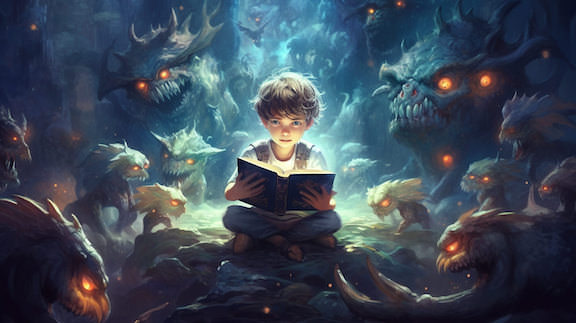
Writing styles in literature refer to the distinct literary techniques that authors use to express their stories. They are the tools that storytellers use to craft their narrative in a way that is compelling, engaging, and satisfying—or unsettling and challenging—depending on their intention. The reason there are different writing styles is because each author has a unique voice and approach to storytelling, and different stories call for different methods of telling.

Think of writing styles as the colors on a painter’s palette. Just as an artist doesn’t use every color in every painting, a writer doesn’t use every style in every story. Instead, they choose the colors—or styles—that will best bring their vision to life. The styles chosen depend on the type of story being told, the themes the author wishes to explore, and the emotional journey they want their readers to embark upon.

In short, the style of a story serves the content. A simple, straightforward narrative might call for a linear, minimalist style. A complex tale exploring the subjective nature of reality might use a nonlinear, stream of consciousness approach. An author attempting to create a specific mood might use the vignette style, while an author trying to comment on the nature of storytelling itself might choose metafiction.

Moreover, different styles appeal to different audiences. Some readers prefer clear, linear narratives, while others prefer more complex and challenging structures. By varying their style, an author can reach different groups of readers, or engage the same readers in different ways.

Different writing styles also allow for experimentation and evolution in literature. They provide authors with the freedom to break traditional rules, to challenge readers’ expectations, and to create unique and innovative works of art. Without this variety, literature would be monotonous and stagnant.

In essence, the variety of writing styles is what makes literature rich and diverse. It allows authors to express their unique voices and visions, to engage with their readers in different ways, and to contribute to the ongoing evolution of literary art.

Minimalist: In the minimalist style, authors trim their stories down to the most necessary elements. This style is also known as “dirty realism” because of its focus on the mundane aspects of daily life. Raymond Carver is a classic example of a minimalist writer. His stories, like “Cathedral,” focus on seemingly ordinary people in ordinary situations, but through this focus, Carver explores deep and complex themes of human nature.

Maximalist: Maximalist short stories are quite the opposite of minimalist ones. They are characterized by excess and extravagance in terms of language, character, plot, and theme. They often contain lengthy sentences, heavy descriptions, and complex vocabulary. A maximalist narrative can encompass a broad range of themes and ideas, even in a short story format. David Foster Wallace is a well-known maximalist writer. His works often contain extensive footnotes and are packed with information, complex ideas, and intricate plot structures.

Stream of Consciousness: This style imitates the free-flowing, associative nature of human thought. It’s a highly experimental style, often featuring fragmented grammar, run-on sentences, and sudden shifts in idea or perspective. Famous examples include James Joyce’s “Ulysses” and Virginia Woolf’s “Mrs. Dalloway.” These works plunge the reader directly into the minds of their characters, showing their mental processes in real-time.

Linear Narrative: In a linear narrative, the events happen in a chronological order, which is to say, ‘in the order they occur’. This is the most traditional narrative style, and it’s often used because it is straightforward and easy for readers to follow. The plot typically starts with an exposition, introducing the characters and the setting, then follows a rising action, climax, falling action, and resolution. This form is often used in genre fiction, like crime or romance. Edgar Allan Poe’s “The Tell-Tale Heart” follows a linear narrative structure, as the protagonist tells his tale of murder in the order the events happened.

Nonlinear Narrative: Nonlinear narratives play with time and sequencing to create a different reading experience. The story might be told out of order, from end to beginning, or it might loop back on itself. For example, the short story “An Occurrence at Owl Creek Bridge” by Ambrose Bierce begins at its ending and then cycles back to explain how the ending came about. This method can be used to create suspense, to allow for multiple perspectives, or to explore the theme of memory and perception.

Epistolary: Epistolary narratives are told through written documents. These could be letters, diary entries, newspaper articles, or any form of written communication. This style allows the story to be told from a first-person perspective, but with a unique twist. It’s an effective way to present multiple viewpoints, to build suspense, or to deepen character development. “The Yellow Wallpaper” by Charlotte Perkins Gilman, for example, is told through the journal entries of a woman suffering from postpartum depression.

Flash Fiction: Flash fiction is a very short story, often under 1000 words. Despite its brevity, a good flash fiction piece tells a complete story, with a clear beginning, middle, and end. It demands precision and economy of language. Lydia Davis is a well-known practitioner of flash fiction; her stories, some as short as a sentence, explore intriguing situations or unexpected moments.

Magic Realism: This style blends the ordinary with the extraordinary. In magic realist stories, fantastical elements are presented as part of everyday life. This style is often used to explore deep themes or to critique society in indirect ways. Gabriel Garcia Marquez’s “A Very Old Man with Enormous Wings,” for example, tells the story of a couple who discover an angel in their backyard and react in a very mundane, human way.

Vignette: A vignette is a short, descriptive scene that captures a moment in time. Rather than presenting a complete story with a clear plot and resolution, a vignette might focus on a single moment or character, creating a strong mood or atmosphere. Vignettes can be powerful and evocative, inviting the reader to infer larger meanings or themes from a brief snapshot of life. Sandra Cisneros’s book “The House on Mango Street” is composed of a series of vignettes that each capture different aspects of the protagonist’s life and her community.

Metafiction: Metafiction is a form of storytelling in which the author intentionally draws attention to the artificiality of the narrative. The story might, for example, break the fourth wall by addressing the reader directly, comment on its own storytelling, or contain a story within a story. This style of writing can challenge readers’ perceptions of fiction and reality, and can be used to explore complex ideas about truth, narrative, and the power of storytelling. A famous example is “At the Mountains of Madness” by H.P. Lovecraft, where the protagonist finds a manuscript detailing the history of an ancient alien civilization. The story constantly reminds the reader of its status as a fictional narrative.

The writing style is a tool at the disposal of the writer, and different styles can serve different purposes. They can help establish a distinctive voice, present a narrative in a unique way, or illuminate a theme from a fresh perspective. The best writers are often those who can adapt their style to the needs of their story, rather than sticking rigidly to one approach.

Please note that if you purchase from clicking on the link, some will result in us getting a tiny bit of that sale to help keep this site going

5 Great Tips for Writing the Perfect Wedding Announcements

Wedding season is upon us and writing a wedding announcement can be as unique as the couple themselves. Depending on the platform you are using to share the news, and the couple’s personality, you might adopt different styles and formats. Here are 5 great tips for writing your perfect wedding announcement.

For a selection of stand-out lovely wedding cards visit Endearing Expressions

Wedding Announcement
  • Traditional/ Formal Announcement: This format usually includes the full names of the couple, the names of the parents, the wedding date, location, and a brief description of the ceremony. A formal announcement typically adheres to standard grammar and etiquette rules.

    Example: “Mr. and Mrs. John Doe are pleased to announce the marriage of their daughter, Jane Marie Doe, to Mr. James Paul Smith, son of Mr. and Mrs. William Smith. The ceremony took place on June 12, 2023, at the historic Saint Mary’s Cathedral in New York City.”

    • Informal/ Casual Announcement: This format allows for more flexibility and can reflect the couple’s personalities more. It might include a sweet story about the couple or a humorous anecdote.

    Example: “Jane Doe and James Smith tied the knot! On a perfect summer’s day in June, surrounded by family and friends at Saint Mary’s Cathedral in NYC, these two lovebirds said ‘I do’. Cheers to a lifetime of love, laughter, and happily ever after!”

    • Newspaper Announcement: This is a traditional platform for wedding announcements, particularly in smaller communities or for more traditional families. It typically includes details about the ceremony, as well as some information about the couple’s families, and their educational and professional backgrounds.

    Example: “Jane Marie Doe, daughter of Mr. and Mrs. John Doe of New York City, and James Paul Smith, son of Mr. and Mrs. William Smith of Boston, were wed on June 12, 2023. The ceremony took place at the historic Saint Mary’s Cathedral in NYC. The bride is a graduate of Columbia University and works for XYZ Corporation. The groom is a graduate of Boston University and is employed by ABC Inc.”

    • Digital Announcement (Email, Social Media): With the rise of social media, more and more couples are choosing to announce their weddings online. This allows for a more creative and personalized approach. You might include photos or even a video.

    Example: “We did it! On June 12, we gathered with our dearest family and friends at Saint Mary’s Cathedral in NYC to say ‘I do’. Excited to start this new chapter as Mr. & Mrs. Smith. #JustMarried #SmithWedding2023”

    • Announcement with a Party or Celebration Invitation: Sometimes, the wedding announcement comes with an invitation for a post-wedding party or celebration, especially if the wedding was a small or private affair.

    Example: “We are excited to share that we, Jane Doe and James Smith, promised each other a lifetime of love on June 12, 2023. We’d love for you to celebrate with us at a gathering at our home on July 3. Can’t wait to see you!”

    Remember, no matter the type or style of announcement, it should reflect the joy and love of the special day. Always consider your audience and keep the announcement true to the couple’s personality and style.

    Please note that if you purchase from clicking on the link, some will result in us getting a tiny bit of that sale to help keep this site going.
    Expressing Emotions in Words is Key to Success

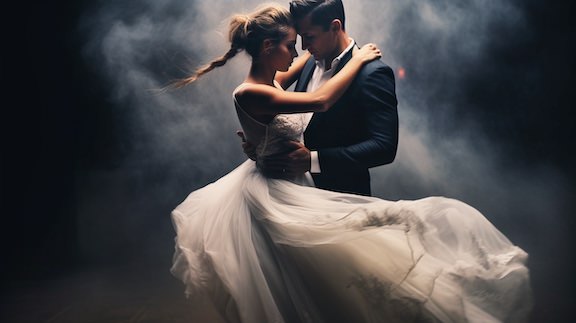
    Describing feelings effectively in writing is an art form that breathes life into characters and scenarios. This ability is critical in making narratives deeply moving, stirring emotions within readers and creating a profound bond between them and the characters. Good emotional description makes characters relatable, painting them as real individuals with complex emotional landscapes.

    The emotions, ranging from joy to sorrow, fear to relief, can seep from the pages and resonate within the reader, echoing their own experiences, and generating empathy. The impact of a plot can be enhanced dramatically when the reader can feel the characters’ triumphs as their own victories and their heartbreaks as their own losses. The power of a well-crafted emotional narrative can pull the reader into the heart of the story, making the reading experience more enriching and compelling.

    In essence, to describe a feeling effectively is to humanize your characters, to give them depth, dimension, and realism. It’s the key to moving your narrative from the realm of the abstract to the realm of the visceral and the emotionally tangible. It’s what transforms a mere story into an immersive experience, an emotional journey that the reader embarks on along with your characters.

    Show, Don’t Tell: Instead of just saying that a character is sad or happy, show it through their actions, dialogue, and reactions. If a character is sad, maybe they’re unable to concentrate on their work, their appetite is reduced, or they cry while looking at old photographs.

    Use Sensory Details: Feelings can be described in terms of physical sensations. If a character is nervous, they might have a racing heart, sweaty palms, a dry mouth, or a feeling of butterflies in their stomach. Using sensory details can make the emotions more tangible and relatable to the reader.

    Use Metaphors and Similes: These can be very effective in describing feelings. Instead of saying a character is happy, you might say they felt like they were floating on a cloud, their heart was bursting like a firework, or they felt as if the sun was shining just for them.

    Use Internal Dialogue: Giving readers a window into a character’s thoughts can be a great way to show how they’re feeling. It provides a direct line to their emotions and can make those feelings feel more real and immediate.

    Create Emotional Contrast: To heighten a particular emotion, contrast it with its opposite. If you want to highlight a character’s happiness, you might contrast it with a previous moment of sadness or disappointment.

    Reaction of Others: The reactions of other characters can also provide clues to a character’s emotional state. If a character is angry, maybe others are avoiding him, walking on eggshells around him, or reacting with fear or annoyance.

    Use Appropriate Vocabulary: There are countless synonyms for emotional states, and using a more specific word can make a big difference. Instead of saying a character is sad, consider whether they’re actually depressed, despondent, melancholy, or grieving.

    Consider Emotional Progression: Emotions rarely stay static. Consider how the emotion evolves. Does it intensify over time? Does it change into another emotion?

    Keep it Consistent with the Character’s Personality: Not everyone expresses emotions in the same way. A stoic character might hide their feelings, while a more expressive one might wear their heart on their sleeve.

    Don’t Overdo It: While it’s important to describe emotions, don’t let them dominate the narrative or become melodramatic. It can be more effective to use a few well-chosen details to suggest an emotion than to spell it out in exhaustive detail.

    Remember, evoking emotion in your reader is about resonance. Draw from your own experiences and imagine how you would feel in the character’s situation. If you can make the reader feel the same emotions as your characters, you’ve succeeded.

    Please note that if you purchase from clicking on the link, some will result in us getting a tiny bit of that sale to help keep this site going